The Dance Workshops section of The Anād Foundation records learning, documentation, and public-engagement initiatives connected with dance traditions of India and South Asia.
For legal, statutory, banking, tax, audit, CSR, and formal institutional purposes, the Foundation’s legal name is The Anad Foundation. The form Anād is used as the Foundation’s preferred cultural, scholarly, programme, publication, and public-facing style.
Purpose
Anād supports the research, documentation, study, analysis, conservation, and public understanding of dance traditions, including classical, semi-classical, folk, ritual, devotional, narrative, theatrical, regional, hereditary, and community-based forms.
The Foundation’s interest in dance is not limited to performance. Dance is studied as a living heritage system involving body, rhythm, gesture, music, language, costume, stage, memory, repertoire, pedagogy, community, and craft.
Scope of Study
Dance workshops and related research may include:
- classical dance traditions of India;
- semi-classical and regional performance forms;
- folk and community dance traditions;
- ritual, devotional, narrative, and seasonal dance forms;
- theatre-linked and storytelling traditions;
- oral histories of dancers, teachers, musicians, accompanists, costume-makers, and tradition-bearers;
- repertoire, song forms, rhythmic structures, and performance contexts;
- gesture, movement vocabulary, body discipline, and pedagogical methods;
- costume, textile, ornament, drape, and attire traditions;
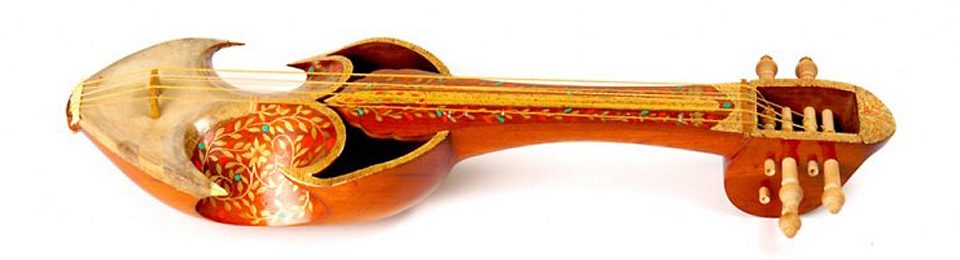
- instruments, accompaniment, luthiery, and craft ecologies associated with dance.
Dance and Music
Anād recognises that dance traditions are deeply connected with music. Many dance forms carry their own song forms, melodic structures, rhythmic vocabularies, percussion systems, recitation traditions, and repertoires.
The Foundation may therefore study and document:
- song forms associated with dance;
- tāla, layā, bol, rhythmic recitation, and percussion patterns;
- melodic frameworks and rāga-based material where relevant;
- regional singing styles and oral repertoires;
- accompanist traditions;
- the relationship between dancer, singer, percussionist, and instrumental ensemble;
- performance practice, pedagogy, and improvisational frameworks.
Instruments and Luthiery Heritage
Dance traditions also carry instrument traditions. The Foundation may document the musical instruments used in dance accompaniment, including their construction, materials, playing techniques, tuning, maintenance, repertoire, and associated craft practices.
This may include percussion, bowed instruments, plucked instruments, wind instruments, drone instruments, cymbals, bells, ankle-bells, and other sound-producing materials used in dance contexts.
Where relevant, Anād may also study the luthiery and craft heritage connected with these instruments: wood, leather, metal, strings, skins, bells, straps, cases, tools, repairs, storage, and performance-readiness.
Costume, Textile and Visual Memory
Dance is also preserved through costume, textile, ornament, drape, gesture, stage design, make-up, and visual grammar.
The Foundation may document costume traditions, regional attire, textiles, jewellery, headgear, drape systems, performance objects, and the craft knowledge of tailors, costume-makers, ornament-makers, and visual designers connected with dance traditions.
This work may also relate to Anād Dehātī Vastra and the Foundation’s broader interest in vernacular attire and textile-memory documentation.
Documentation and Oral Histories
Dance heritage is often transmitted through the body and through oral pedagogy. It can disappear when teachers, accompanists, costume-makers, and local practitioners are no longer documented.
Anād may support:
- interviews with dancers, gurus, accompanists, musicians, costume-makers, and community elders;
- filming of demonstrations, movement vocabularies, repertoire, and teaching sessions;
- documentation of songs, rhythmic recitations, instruments, costumes, and performance contexts;
- transcription, translation, cataloguing, photography, and archival preservation;
- research notes, publications, public-learning material, and digital records.
Workshop Formats
Dance workshops may be organised as:
- introductory sessions;
- lecture-demonstrations;
- practical workshops;
- masterclasses;
- school or college sessions;
- retreat-linked sessions;
- archival presentations;
- documentation workshops;
- movement and rhythm workshops;
- interdisciplinary sessions involving music, theatre, photography, costume, and craft.
Public Learning
The aim of Anād’s dance-related work is to help students, researchers, artists, institutions, and interested publics understand dance as a complete cultural system — not merely as choreography or stage presentation.
Dance is a form of embodied memory. It carries rhythm, language, gesture, region, community, discipline, devotion, story, music, craft, and time.
Archival Note
Some pages under this section may record earlier workshops or initiatives from previous phases of the Foundation’s work. Their language, formatting, names, or images may reflect the period in which they were first created.
They are retained as part of the Foundation’s institutional memory and public-learning archive.
Enquiries
For enquiries regarding dance workshops, documentation, institutional collaboration, research, oral histories, public programmes, donor support, or CSR-supported cultural documentation, please contact The Anād Foundation.