Aims & Objectives
The Anād Foundation works for the conservation, documentation, research, education, publication, and living transmission of cultural heritage. Its aims and objectives are public charitable in nature and are directed toward education, preservation of art and culture, heritage conservation, archival care, skill development, health-care and welfare initiatives, and the advancement of general public utility.
For legal, statutory, banking, tax, audit, CSR, and formal institutional purposes, the Foundation’s legal name is The Anad Foundation. The form Anād is used as the Foundation’s preferred cultural, scholarly, programme, publication, and public-facing style.
1. Culture as Living Continuity
Anād understands culture as a living continuity across past, present, and future. Culture is not merely a static relic, decorative memory, or museum object. It includes knowledge systems, arts, crafts, language, music, instruments, manuscripts, calligraphy, scribal traditions, paper, inks, pigments, colours, bindings, attire, tools, oral traditions, embodied skills, social memory, and ways of life through which communities remember, create, interpret, and transmit meaning.
The Foundation therefore works with both:
Sthūl virsā — tangible heritage: buildings, sites, manuscripts, books, archives, artworks, instruments, photographs, recordings, calligraphic works, paper, inks, tools, textiles, objects, and material heritage assets.
Sūkham virsā — intangible heritage: oral traditions, music, rāga-tāla systems, pedagogical lineages, craft knowledge, calligraphic practice, scribal techniques, ink-making, pigment preparation, paper-making, binding methods, language traditions, oral histories, embodied memory, and transmission processes.
2. Heritage Conservation
To conserve, restore, stabilise, document, safeguard, study, and promote tangible and intangible heritage, including historic spaces, havelis, sarais, manuscripts, books, musical instruments, archives, artworks, calligraphic works, tools, textiles, recordings, oral traditions, performance practices, craft knowledge, and related knowledge systems.
3. Historic Spaces and Adaptive Reuse
To undertake conservation-sensitive stabilisation, restoration, maintenance, adaptive reuse, and public-interest development of historic spaces and heritage buildings for education, archival work, research, training, documentation, conservation, and heritage transmission.
4. Anād Khaṅḍ — Conservatory of Arts, Aesthetics, Cultural Traditions, and Developmental Studies
To establish and support heritage-transmission centres, including Anād Khaṅḍ, as spaces for the study, teaching, documentation, practice, conservation, and public understanding of tangible and intangible heritage.
Such spaces may include archives, libraries, studios, classrooms, workshops, conservation facilities, museums, galleries, learning displays, instrument-making spaces, and public-access educational areas.
5. Gurbāṇī Saṅgīt and the Music of Srī Gurū Granth Sāhib
To research, document, conserve, teach, publish, and transmit Gurbāṇī Saṅgīt and the music of Srī Gurū Granth Sāhib, including rāga, tāla, repertoire, notations, instruments, pedagogy, oral traditions, performance practices, historical sources, craft traditions, and related knowledge systems.
6. South Asian Music and Oral Traditions
To research, document, conserve, teach, publish, present, and transmit South Asian music, oral, literary, devotional, classical, semi-classical, folk, regional, bardic, hereditary, and vernacular traditions, including:
- Hindustānī Saṅgīt;
- Karnāṭak Saṅgīt;
- Rabindra Saṅgīt and related literary-musical traditions;
- regional śāstriya, up-śāstrīya, and lōk saṅgīt traditions;
- Sufi, Bhakti, GurSikh, narrative, balladic, and oral traditions;
- traditions of hereditary musicians, artisans, knowledge-bearers, and performer communities.
7. Manuscripts, Books, Calligraphy, Paper, Ink, and Binding Traditions
To collect, conserve, scan, digitise, edit, annotate, translate, transliterate, catalogue, index, publish, reprint, disseminate, and teach manuscripts, books, notation materials, old prints, rare sources, archival documents, educational materials, research works, critical editions, calligraphic works, manuscript arts, and scribal traditions.
The Foundation may also research, document, conserve, teach, revive, and disseminate knowledge relating to calligraphy, manuscript preparation, traditional paper-making, ink-making, pigment and colour preparation, stone, mineral and plant-based colours, paper-sizing, folio preparation, binding, writing implements, reed, bamboo and metal nibs, brushes, burnishing tools, and related manuscript-craft ecologies.
8. Archives, Audio-Visual Restoration and Digital Preservation
To create, maintain, conserve, digitise, restore, catalogue, and make accessible, where appropriate, archives of audio, video, film, photographs, negatives, transparencies, manuscripts, field recordings, interviews, oral histories, digital data, and related documentation.
The Foundation may establish studios, restoration laboratories, archival storage systems, digital preservation systems, metadata frameworks, data backup systems, and audio-visual libraries.
9. Musical Instruments, Luthiery and Craft Traditions
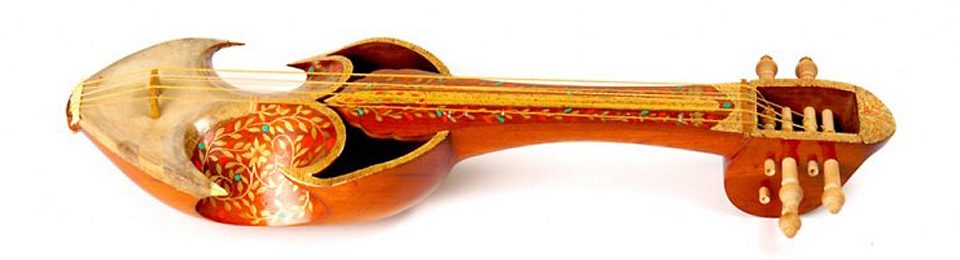
To research, design, conserve, restore, make, teach, document, display, and support traditional and heritage musical instruments, including rabāb, tāus, sarindā, jōṛī, pakhāwaj, mridaṅg, and other instruments.
The Foundation may support luthiers, instrument-makers, carpenters, metalworkers, leatherworkers, gut-string makers, bow makers, box makers, tool-makers, and associated craft practitioners.
10. Vernacular Skills, Crafts, and Heritage Livelihoods
To preserve, teach, support, document, and revive vernacular skills and crafts, including woodworking, metalwork, leatherwork, string-making, paper-making, ink-making, pigment and colour preparation, calligraphy, manuscript arts, binding, folio preparation, miniature and related visual arts, weaving, spinning, phulkārī, native attire, textile traditions, turban traditions, sculptural practices, tool-making, and other hand-based knowledge systems.
The Foundation seeks to support livelihood dignity, skill development, and intergenerational transmission among artisans, learners, practitioners, and knowledge-bearers.
11. Anād Dehātī Vastra and Textile-Memory Documentation
To develop, subject to available resources, an Anād Dehātī Vastra research and documentation stream focused on vernacular attire, regional wearing practices, turbans, drape, cloth traditions, rural and hereditary performer attire, period garments, tailoring memory, seamster traditions, textile references, and endangered garment knowledge systems.
12. Research, Publications, and ARPO
To establish and support Anād Research & Publications Office (ARPO) or similar research and publication units for documentation, collation, editing, notation, indexing, translation, transliteration, design, typesetting, scanning, publication preparation, digital publication, and dissemination of educational, archival, and heritage materials.
13. Education, Training, and Public Learning
To promote education, learning, training, mentoring, scholarships, fellowships, classes, workshops, retreats, residencies, apprenticeships, student support, after-school programmes, smart classrooms, public learning programmes, teacher-training, and educational resources.
The Foundation may create curricula, syllabi, certificate courses, diploma programmes, and other educational initiatives, subject to applicable law and approval from competent authorities wherever required.
14. Oral Histories and Living Memory
To undertake oral-history projects, field documentation, interviews, filming, recording, photography, transcription, translation, cataloguing, and documentation of aged masters, maestros, artisans, scholars, teachers, kathākār-s, sañthyā teachers, performers, instrument-makers, craft practitioners, hereditary communities, and other knowledge-bearers.
15. Museums, Galleries, Libraries, and Interpretation
To establish, operate, support, and maintain museums, galleries, study centres, libraries, archives, interpretation centres, display spaces, travelling exhibitions, learning displays, viewing and listening stations, heritage galleries, and public-access educational spaces relating to tangible and intangible heritage.
16. Preventive Conservation
To create and maintain preventive conservation infrastructure, including archival boxes, cabinets, storage systems, climate control, humidity and temperature monitoring, pest-prevention systems, safe-handling protocols, display systems, collection-care methods, and training for vulnerable collections and objects.
17. Public Events and Cultural Programmes
To organise, support, record, document, and present concerts, rāga darbārs, lectures, seminars, workshops, exhibitions, retreats, baiṭhaks, publications, screenings, demonstrations, festivals, conferences, and other public-interest cultural and educational programmes.
18. Health-Care, Welfare, and Humanitarian Initiatives
To establish, support, organise, fund, coordinate, and undertake public-interest health-care, healing, welfare, relief, and humanitarian initiatives for underserved communities.
Such initiatives may include medical, dental, oral-health, preventive-health, nutrition, mental-health, gynaecological, oncology, general-health, alternative-medicine, rehabilitation, awareness, screening, diagnostic, referral, emergency, ambulance, mobile-clinic, hospital-on-wheels, telemedicine, health-camp, and doorstep-healthcare programmes.
The Foundation may undertake such work through Punj-Care Initiatives or similar programmes.
19. Collaboration and Institutional Partnerships
To collaborate with educational institutions, universities, schools, museums, libraries, archives, cultural bodies, government departments, CSR contributors, philanthropic foundations, NGOs, artisans, scholars, practitioners, international institutions, and other persons or bodies for furtherance of the Foundation’s public charitable objects.
20. Public Benefit and Non-Profit Character
The Foundation functions on a non-profit basis. Its income, property, assets, grants, donations, corpus, and surplus are to be applied only toward its public charitable objects and not distributed as profit, dividend, bonus, or personal benefit.
The Foundation may generate receipts through publications, programmes, workshops, access facilities, documentation, exhibitions, educational resources, and similar activities only when such receipts are incidental to and in furtherance of its charitable objects. Any surplus is to be applied only toward the Foundation’s public-interest work.
Pingback: My Visit to the Historical City of Sultanpur Lodhi, a Hidden Jewel in Punjab | Pashaura Singh Dhillon
Pingback: My Visit to the Historical City of Sultanpur Lodhi, a Hidden Jewel in Punjab
COMMENDABLE OBJECTIVES. WISH YOU SUCCESS IN YOUR SUPREME MISSIO.