Anād Khaṅḍ — Conservatory of Arts, Aesthetics, Cultural Traditions, and Developmental Studies
The costs of Anād Khaṅḍ depend on the scale, site, phase, conservation requirements, archival needs, infrastructure, staffing, professional inputs, equipment, and donor-supported project scope.
Earlier cost estimates associated with Anād Khaṅḍ belonged to earlier phases of the Foundation’s work, including site-specific proposals connected with Sultanpur Lodhi and Qila Sarai. Those estimates are retained only as part of the Foundation’s institutional history and should not be treated as current budgets.
The present framework is designed to be developed in phases, with budgets prepared according to current needs, quotations, professional advice, donor requirements, CSR norms, Board approval, and applicable law.
Why Costs Vary

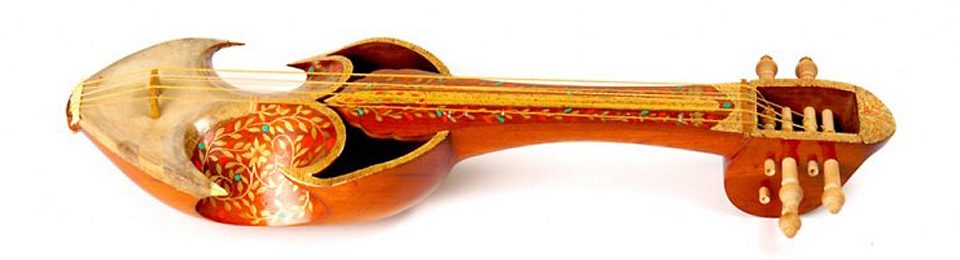
Anād Khaṅḍ is not a single building project alone. It is a heritage-transmission framework that may include archives, studios, classrooms, workshops, conservation facilities, galleries, libraries, public-learning spaces, research and publication units, digital preservation systems, and project-linked centres.
Costs therefore vary according to whether support is being sought for:
- preventive conservation;
- archival storage and cataloguing;
- digitisation and scanning;
- audio-visual restoration;
- manuscript and book conservation;
- musical-instrument conservation and luthiery;
- calligraphy, paper, ink, pigment, and binding traditions;
- research and publications through ARPO;
- public-learning spaces and exhibitions;
- workshops, retreats, and educational programmes;
- staff, consultants, experts, artisans, and project personnel;
- digital infrastructure, metadata, backup, and access systems;
- conservation-sensitive development of project offices or heritage spaces;
- health, welfare, and dignity-support for knowledge-bearers where relevant to the Foundation’s objects.
Core Cost Heads
Depending on the approved project, costs may include:
1. Space and Infrastructure
- project office / archival office setup;
- work tables, chairs, storage, shelving, cabinets, and equipment;
- conservation-sensitive interiors;
- electrical systems, lighting, data cabling, internet, security, and climate-awareness systems;
- studios, classrooms, workshops, galleries, and public-learning spaces;
- maintenance, repairs, cleaning, utilities, and operational support.
2. Archives and Preventive Conservation
- archival boxes, sleeves, folders, cabinets, racks, and protective housings;
- humidity and temperature monitoring;
- pest-prevention systems;
- safe-handling materials;
- condition assessment and documentation;
- conservation supplies and professional conservation inputs.
3. Digitisation and Audio-Visual Restoration
- scanners, cameras, lenses, lighting, stands, computers, storage devices, and backup systems;
- audio-visual playback, transfer, restoration, and monitoring equipment;
- software, metadata systems, digital storage, cloud backup, and data-management workflows;
- technical personnel for scanning, digitisation, restoration, cataloguing, and preservation.
4. Research, Documentation and Publications
- field research and oral-history documentation;
- transcription, translation, transliteration, notation, cataloguing, indexing, editing, design, typesetting, proofreading, and publication preparation;
- printing, digital publication, catalogues, manuals, brochures, educational materials, and public-learning resources.
5. Musical Instruments and Craft Traditions
- conservation, repair, documentation, and making of heritage instruments;
- luthiery tools, wood, leather, strings, metals, bows, cases, storage, and workshop infrastructure;
- support for instrument-makers, craft practitioners, apprentices, and documentation teams.
6. Manuscript Arts, Calligraphy, Paper, Ink and Binding
- calligraphy tools, writing implements, reed / bamboo / metal nibs, brushes, burnishing tools, paper, inks, pigments, colours, binding materials, paper-sizing materials, and related equipment;
- documentation, teaching, revival, and conservation of manuscript and scribal craft traditions;
- workshops, demonstrations, and public-learning resources.
7. Anād Dehātī Vastra and Textile-Memory Documentation
Subject to dedicated support, the Foundation may develop an Anād Dehātī Vastra research and documentation stream focused on vernacular attire, regional wearing practices, turbans, drape, cloth traditions, rural and hereditary performer attire, period garments, tailoring memory, seamster traditions, and endangered textile-memory systems.
This would require a separate working space / office, textile- and fashion-documentation infrastructure, work tables, chairs, storage, tools, reference systems, documentation equipment, and dedicated personnel.
The indicative additional requirement for this extension is approximately ₹1.2 crore for 12 months, calculated at approximately ₹10 lakh per month, subject to detailed budgeting, quotations, staffing plan, donor preference, and approved project scope. This extension may be taken up only if additional dedicated support is received.
8. Personnel, Experts, and Project Management
- researchers, archivists, conservators, documentation assistants, editors, designers, audio engineers, project coordinators, administrators, craft practitioners, visiting faculty, consultants, and support staff;
- honoraria, fellowships, stipends, professional fees, reimbursements, travel, logistics, and field expenses;
- audit, legal, accounting, compliance, donor reporting, and utilisation certification.
9. Public Access and Education
- exhibitions, guided visits, student sessions, workshops, retreats, lecture-demonstrations, listening / viewing stations, catalogues, panels, brochures, posters, digital resources, and public-learning programmes.
Current Funding Approach
The Foundation prefers accountable, phase-wise, budgeted support. Project proposals may be prepared according to the donor’s area of interest, CSR policy, Schedule VII alignment, geography, preferred reporting format, and funding capacity.
Support may be structured for:
- a defined 12-month project;
- a multi-year programme;
- a specific component such as archives, instruments, publications, digitisation, public access, health-care, or craft documentation;
- equipment and infrastructure;
- salaries / honoraria / fellowships;
- conservation or restoration;
- project-office setup;
- exhibitions and public learning;
- corpus or endowment, where lawful and suitable.
Indicative Budgeting
Indicative budgets are prepared only after defining the approved scope of work. Each project budget may include:
- project objectives;
- deliverables;
- implementation period;
- staff and consultant requirements;
- equipment and material needs;
- professional quotations where applicable;
- reporting and documentation plan;
- audit / utilisation certification;
- contingency, where permitted;
- Board approval and donor conditions.
CSR Relevance
Anād Khaṅḍ and related projects may be mapped, subject to donor and legal review, to CSR purposes concerning protection of national heritage, art, and culture; preservation of heritage assets; promotion and development of traditional arts and handicrafts; education; skill development; livelihood enhancement; research; documentation; and public learning.
The Foundation can provide project notes, budgets, statutory registrations, Board resolutions, audited records, utilisation formats, and reporting documents as required for donor or CSR due diligence.
Historical Cost Notes
Any earlier cost estimates, drawings, brochures, or site-specific financial references associated with Anād Khaṅḍ are retained as archival records of earlier project phases. They should not be treated as current quotations, current budgets, or present funding requirements unless specifically updated and approved by the Foundation.
Enquiries
For donor, CSR, institutional, or philanthropic discussions, the Foundation can prepare component-wise budgets and project notes according to the proposed scope of support.
Please contact The Anād Foundation for current project budgets, statutory documents, and proposal-specific details.