The Gurbāṇī Saṅgīt / Kīrtan Workshops of The Anād Foundation are intended as focused learning spaces for students, families, institutions, and interested learners seeking an introduction to the musical, textual, rhythmic, pedagogical, and heritage dimensions of Gurbāṇī Kīrtan.
The older menu / page label “Gurbani Kirtan” is retained as a familiar public term, while the Foundation’s preferred disciplinary terminology is Gurbāṇī Saṅgīt — the historical rāga-tāla musical system and practice connected with the music of Srī Gurū Granth Sāhib.
For legal, statutory, banking, tax, audit, CSR, and formal institutional purposes, the Foundation’s legal name is The Anad Foundation. The form Anād is used as the Foundation’s preferred cultural, scholarly, programme, publication, and public-facing style.
Purpose
These workshops are designed to help participants encounter Gurbāṇī Saṅgīt not merely as devotional singing, but as a living heritage discipline involving rāga, tāla, laya, repertoire, text, pronunciation, listening, memory, instruments, pedagogy, and practice.
Depending on the duration, level, and context, a workshop may offer an introductory exposure or a deeper learning module.
Areas of Learning
Workshops may include:
- introduction to Gurbāṇī Saṅgīt and the music of Srī Gurū Granth Sāhib;
- rāga and rāga-aṅg awareness;
- tāla, laya, and rhythmic understanding;
- śabad repertoire and period song forms;
- listening and correction;
- Gurūbāṇī pronunciation and textual care;
- notation and oral transmission;
- jōṛī, pakhāwaj, mridañg, and percussion awareness;
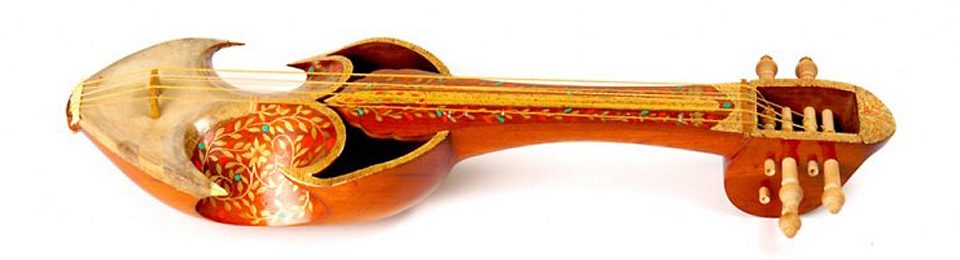
- heritage instruments such as rabāb, tāus, sarindā, and related instruments;
- archival listening, historical sources, and field memory;
- ethical conduct, discipline, and the responsibility of learning.
Historical Song Forms and Repertoire
Where appropriate, workshops may introduce participants to older song forms and compositional structures associated with the historical musical world of South Asia and the GurSikh tradition, including dhurpada / dhrupad, channt, vār, padē, śabad, slōka, dohrā, and related forms.
This approach places Gurbāṇī Saṅgīt within a long historical continuum extending from the 12th-century era of Bhagat Jaidēva and Bābā Śeikh Farīd, through the Gurū-Sikh period, and into the 17th–18th century era of Sāhib Srī Gurū Gobind Singh Ji.
Workshop Format
A workshop may be organised as:
- a single lecture-demonstration;
- a half-day or full-day workshop;
- a weekend intensive;
- a school / college / institutional session;
- a community-hosted learning session;
- a retreat-linked workshop;
- an online or hybrid workshop;
- a thematic module on rāga, tāla, text, repertoire, or instruments.
The format may include singing, recitation, listening, discussion, question-answer sessions, notation, rhythmic demonstration, instrument exposure, archival references, and guided practice.
Who May Attend
These workshops may be suitable for:
- beginners;
- continuing learners;
- students and youth groups;
- families;
- kīrtan jathās;
- school and college groups;
- teachers and educators;
- musicians and researchers;
- gurdwārā and community groups;
- institutions interested in heritage education;
- listeners who wish to understand Gurbāṇī Saṅgīt more deeply.
Participation may depend on the workshop level, available seats, preparation, age group, language needs, venue, and teaching format.
Instruments and Percussion Awareness
Participants may be introduced to the sound-world and cultural context of instruments connected with Gurbāṇī Saṅgīt and related GurSikh heritage traditions.
This may include exposure to rabāb, tāus, sarindā, jōṛī, pakhāwaj, mridañg, and other instruments, along with the craft and knowledge systems associated with them.
Where relevant, workshops may also introduce tāla, bol, layā, mukāo, sāth-dī-rīti, and the relationship between percussion, text, and melodic form.
Learning Through Listening
Listening is central to the workshop method. Participants may be encouraged to listen for rāga, tāla, word, breath, pause, melodic movement, rhythmic placement, and the relationship between sound and meaning.
Archival recordings, oral accounts, old notations, or historical references may be introduced where appropriate to help participants distinguish inherited practice from surface imitation or later accretions.
Ethics of Kīrtan Learning
The workshops encourage sincerity, humility, discipline, and care toward Gurūbāṇī, musical practice, instruments, teachers, fellow learners, and shared spaces.
The aim is not quick performance display, but the cultivation of listening, practice, respect, and responsibility toward the tradition.
Institutional and Community Workshops
The Foundation may conduct workshops in collaboration with schools, universities, gurdwārās, cultural institutions, community organisations, museums, archives, retreat hosts, and donor / CSR-supported programmes.
Workshops may be adapted for different audiences, including children, youth, adult learners, researchers, musicians, and general public audiences.
Relationship with Anād Khaṅḍ
These workshops form part of the wider Anād Khaṅḍ framework — the Foundation’s conservatory and heritage-transmission initiative.
They connect learning with archives, instruments, oral histories, publications, notation, pedagogy, craft traditions, and the conservation of both sthūl virsā — tangible heritage — and sūkham virsā — intangible heritage.
Enquiries
For enquiries regarding Gurbāṇī Saṅgīt / Kīrtan workshops, institutional collaborations, community hosting, student participation, donor support, or retreat-linked learning, please contact The Anād Foundation.