• About The Anād Foundation
    • Aims & Objectives
    • Governance
      • Board of Advisors 2026-2029
      • ASHA 2026–2029
    • Trustees & Associates
    • Historical Records
      • Founder Trustees
        • Bhāī Baldeep Singh
          • First visit to the Qila
        • Chiranjiv Singh
        • K. T. S. Tulsi
        • Kiranjit Singh Bawa
        • Manjit Kirpal Singh
        • Pervinder Singh Chandhok
        • Raj M. S. Liberhan
        • Ranjodh Singh
        • Ravinder Singh Ahuja
      • Board of Advisors
        • Rear Admiral Kirpal Singh, AVSM
        • Major H. P. S. Ahluwalia
      • Associate Trustees 2008-2011
      • Associate Trustees 2011-2014
      • Associate Trustees 2014-2017
        • Mayank Singh Bawa
      • Associate Trustees 2017-2020
      • Associate Trustees 2020-2023
    • Team & Project Associates
    • Financial Highlights — Archival Record
  • Anād Khaṅḍ / Conservatory
    • Anād Khaṅḍ — The Proposal
    • The Institute
      • Faculty
        • Resident Faculty
        • Visiting Faculty
      • Learning Streams
        • Class With Bhāī Baldeep Singh
        • After-School Studies
          • AAS Study Programme Coordination Committee Meeting I & II
      • Workshops
        • Gurbāṇī Saṅgīt Workshops
          • With Bhai Gurcharan Singh
          • With Bhai Baldeep Singh
            • BBS I
          • With Ustad Harbhajan Singh Namdhari
        • Dance Workshops
          • Kathak with Maria Maurizia Costanzo
            • Maurizia’s Workshop Note
            • Gallery
          • Chhau Dance with Luisa Spagna
            • A Note by Luisa Spagna
        • Theatre Workshops
          • With Kuljeet Singh
            • Theatre in the spaces
            • Gallery
        • Photography
      • Outreach
        • 2018: Poznań, Poland
        • 2019: Poznań, Poland
        • 2025: Rovigo, Italy
      • Gallery
    • ANĀD Scientific Advisory Committee 2009-2017
      • First Thoughts
        • By Professor Paolo Ceccarelli
        • By Professor Rabindra Vasavada
        • By Ashok B Lall
    • Costs and Funding Framework
    • Luthiery School
      • Rabāb
        • Harbhajan Kaur’s Rabab
      • Saranda
      • Taus
    • Audio-Visual Restoration Studio
  • Gurū Gaurav 350
    • Guru Gobind Singh — A Prophet With Difference
    • Gurū Gaurav — A Concept Note
    • Gurū Gaurav — Press Release
    • Performers
      • Rânsubāi
        • Inauguration
        • Raghuvir Mallik
        • Sangeet Kumar Pathak
        • Bibi Ashupreet Kaur
        • Ashutosh Upadhyay
        • Dr. Alankar Singh
        • Vidushi Jyoti Hegde
        • Bhai Baldeep Singh
        • Pandit Ram Kumar Mallick
        • Bhai Balbir Singh Ragi
        • Bhai Baldeep Singh —Poetry Reading
        • Pandit Rajendra Gangani
        • Pandit Yashpaul
        • Mohan Shyam Sharma
        • Jagat Narayan Pathak
        • Nihal Singh
        • Indra Kishore Mishra
        • Dr. Anil Chaudhary
      • January 1, 2017
        • Guru Gaurav Event Hosts
        • Introductions
        • Pandit Ravi Shankar Upadhyay
        • Dr. Ajit Pradhan
        • Dr. Nirinjan Kaur Khalsa
        • Ustad Asheesh Khan
        • Poet Kulwant Singh Grewal
        • Bhai Baljit Singh Namdhari
      • January 2, 2017
        • Dhaddi Desraj Lachkani
        • Poet Jaswant Singh Zafar
        • Parminder Singh Bhamra
        • Manu Seen
        • Shekhar Sen
        • Pandit Prem Kumar Mallick
      • January 3, 2017
        • Nashir Naqvi
        • Pandit Uday Kumar Mallick
        • Baha’ud’din Dagar
        • Vidushi Gopika Varma
        • Pandit Vinod Pathak
        • Jasbir Jassi
      • January 4, 2017
        • Pandit Ram Prakash Misra
        • Manganiārs
        • Samiran Sanyal
        • Dr. Gurinder Harnam Singh
        • Sukhwinder Amrit
        • Suvir Misra
        • Dr. Madan Gopal Singh
      • January 5, 2017
        • Jago Tareenjan Group
        • Dr. Francesca Cassio
        • Ustad Daud Khan Sadozai
        • Songs of the Khalsa
        • Dr. Ritwik Sanyal
        • Dr. Umayalpuram Sivaraman
        • Dr. Surjit Patar
        • Bhai Baldeep Singh —Gurbāni Pade
    • Review II by Professor Gajendra Narayan Singh
    • Production Team
  • Heritage Conservation
    • Intangible Heritage — Sūkham Virsā
      • Luthiery Tradition
    • Tangible Heritage — Sthūl Virsā
      • Qila Sultanpur Lodhi
        • Lahore Gate
          • Heritage Hammered by IP Singh
        • Darbar Hall
        • Old Kacchehri (Colonial structure)
        • Delhi Gate
        • Mosque
        • Qila Walls
    • Technology Partners
  • Punj-Care Initiatives
  • Events
    • Full Moon Events
      • May 2011
        • 6th Kāv Tarang Review
      • September 2011
        • Gallery
      • February 2012
      • October 2012
        • October 2012 Punya Baithak Gallery
        • 2012 10 29 Punyā Baithak Press Reviews
    • Poetry Festivals
      • 7th Anād Kāv Tarañg
    • Theatre
      • Story-telling by VK
    • Archives
    • Laya Darshan: Revealing the Riches of Indian Rhythm
    • Jashan 2006
    • 2008 Dharati Suhāvī
    • 2013 Harī Rāgu Gāthā: 31-Rāgu in Gurbāṇī
    • 2014 Hari Rāgu Gāthā: Singing of 31 Rāg in Gurbāṇī
    • Jashan 1915-2015
    • Gurū Nānak Dēv 550th
    • Virtual Vaisākhī 2020
    • 2020 Rai Radio3 — Dharati Suhāvī
    • 2020 Expressions on Nature: Dharati Suhāvī
  • Anād Awards
    • Award Jury
    • Anād Sanmān
      • Jashan 2006
        • Jashan 2006 Review
    • Kāv Sanmān
      • 2008
        • 2008 Review
      • 2009
        • 2009 Review
      • 2010
        • 2010 Review
      • 2011
  • Study at Anād
    • Gurbāṇī Saṅgīt Retreats
      • Retreat 61: Sikh Academy, Surrey, BC
        • Retreat 61: Ṭīkā Tipada Rāgu Mēgh
        • Retreat 61: Bilāvalu Ṭīkā — ‘Aman’
        • Retreat 61: Bilāvalu Ṭīkā — Sūlfākh & Ḍhāī
        • Retreat 61: Dhurpadā — Rāgu Sāraṅg
        • Retreat 61: Kaliān Sargam — SRG & GMP
        • Retreat 61: Rāgu Ṭikā Śuddh Malār Kul-mitra
        • Retreat 61: Rāgu Sūhī Ṭīkā
        • Retreat 61: Rāgu Sārag Āo Jāo
        • Retreat 61: Rāgu Śuddh Malār Tadra Dānī
        • Retreat 61: Āsāvarī Ṭīkā — Sūltāl
      • Retreat 25: Merced, California January 2010
        • Gallery
      • Retreat 26: London, Ontario
      • Retreat 27: Tucson Arizona January 2011
        • Love Poem
        • Gallery
      • Retreat 28: Espanola, New Mexico, July 2011
        • Amrita Kaur Khalsa
        • Gurkaran Singh
        • Guru Mander Kaur
        • Gurumukh Singh CPA
        • Harbhajan Kaur Khalsa
        • Keerat Kaur Chahal
        • Nihal Singh
        • Nirvair Kaur
        • Raviraj Singh
        • Siri Sevak Kaur Khalsa
        • Gallery
      • Retreat 29: London, Ontario 2011-12
        • Student Reviews
          • Keerat Kaur I
          • Keerat Kaur II
          • Baljinder Singh Bassi I
          • Baljinder Singh Bassi II
          • Baljinder Singh Bassi III
          • Tanvir Singh Suri I
          • Tanvir Singh Suri II
          • Harkamal Singh I
          • Raviraj Singh I
      • Retreat 30: Qila, Sultanpur Lodhi 2012
        • Concert inside Kapurthala’s Modern Reform Centre, February 18, 2012
        • Mid-term Review by Nirvair Kaur
        • Review by Nadar Nihal Singh
      • Retreat 31: Albuquerque, NM
        • Nirvair Kaur’s Review: 31st Albuquerque Summer Kirtan Course
        • Keerat Kaur’s 31st Summer Retreat Review
      • Retreat 32: Mississuaga, Ontario
        • Keerat Kaur’s Course Review
      • Retreat 40: Albuquerque, New Mexico
        • Gurbani Sangeet Retreat Review: Nihal Singh
      • Retreat 42: Rajgir, Bihar
      • Retreat 48th: New Delhi
      • Retreat 51: Online from Anād HQ
      • Retreat 52: Online from Anād Foundation HQ
      • Retreat 53: Rochester, MN
        • Rochester Preview & Screenshots
      • Retreat 54: Seattle, WA
      • Retreat 55: Seattle, WA
      • Retreat 56: San Francisco, California
      • Retreat 57: Surrey, BC
      • Retreat 58: San Francisco, California
      • Retreat 59: Khalsa Centre, Canada
      • Retreat 60: San Francisco, California
    • Anād Online
      • Anād 31
        • 4. Rāgu Āsā
          • ‘Sō Daru’ Rāgu Āsā Jaitāl — Satināmu Sirī Vāhigurū Sāhib Jī
        • 24. Rāgu Bhairau Sūrtāl
      • Anād Online Classes Log
    • Internship Programmes
      • Vasant Valley School Class XI 3-week Internship 2012
        • Chairman’s letter to Vasant Valley School Internship Students
        • Delhi Head Office – Tentative Schedule
        • Student Reviews
          • Anmol Handa
          • Himmat Singh Guram
          • Kavya Rai
          • Luigi Hari Tehel Singh
          • Uday Talwar
          • Wanhee Ji
        • Vasant Valley School 2012 Internship – Images 1 – Delhi
  • YaarAnād
  • Contact Us
  • Donate / Support Anād
  • YaarAnād Virtual Baiṭhaks
    • YaarAnād Virtual Baiṭhak – Season I
      • 2020 April
      • 2020 May
      • 2020 June
      • 2020 July
      • 2020 August
      • 2020 September
      • 2020 October
      • 2020 November
    • YaarAnād Virtual Baiṭhak – Season II
      • 2020 December
      • 2021 January
      • 2021 February
      • 2021 March
      • 2021 April

The Anād Foundation

~ Culture | Conservation | Continuity

The Anād Foundation

Category Archives: Postcards from the Journey

Postcard 29: Sadh Sangat

06 Wednesday Jun 2012

Posted by in Postcards from the Journey, Reflections

≈ Leave a comment

Where is Sādh Sangat? Where is the community of those who love the Lord? Where are the servants who have left ego behind? Where are the ones who meditate on the Fearless One? Where are the ones who aren’t afflicted by sorrow? Where are the ones who don’t desire anymore?

Is the Sādh Sangat people or is there only One Sādhu? Is there a place to go to be with the Sādhu or is the Sādhu here and everywhere?

If Har is within each and every heart how can we be that for each other? Is sangat where ego is gone and instead of showing that self to each other we show the One within?

Is sangat what I get out of the encounter or is sangat what I give?

It is not easy to walk on the path. How do we help each other live in remembrance? How do we help each other remain in the sanctuary without sorrow, without fear, without desire? How do we stay in the shelter of love?

Does sangat have to feel good? Or is sangat sometimes a churning, a rubbing, a polishing, a challenge as I have to see myself through the eyes of truth that may reveal something I would rather leave hidden? Is sangat always like a velvety polishing cloth or can it be rough like sandpaper? Can the sandpaper be painful? If it hurts is the sandpaper to blame?

How many people is sangat? Can sangat be one? How about two? How about me and you?

Postcard 28: Talking to God

28 Monday May 2012

Posted by in Postcards from the Journey, Reflections

≈ Leave a comment

Tags

Nirvair's blog

Each of the 37 authors of Siri Guru Granth Sahib speaks with a unique voice to describe the One Creator Lord and the experience of the devotee in times of remembering and in times of forgetting. Each author’s voice can itself become many different voices, depending on the message it is delivering and to whom that message is addressed.

Sometimes the message is to the ordinary seeker, describing God and the spiritual experience with simple metaphors from daily life or illustrated with familiar stories of Krishna, Ram, Sita or Pralad. Sometimes the message is delivered to a more knowledgeable one, a wise one or a yogi. In these poems the language may be more complex or there may be philosophical references from various texts.

Depending on the intended recipient, the poem might paint a picture describing the experience of the seeker with beautiful images from nature, of birds, trees, flowers, and fish or the vast universe of planets and stars. The language may be emotional conveying the aching human heart, recognizing its small and sorry state. Or it may convey the joyful spirit, gratitude, awe, and wonder. The poem might be instructional, given as a lesson, advising the listener how to travel on the path. Sometimes the tone is scolding or even humorous, holding up the mirror so we can see our foolish human selves, our antics, entanglements and attachments.

The poems addressed to the mind itself are powerful, teaching, scolding, cajoling, pleading. Like an intervention, the poetry begs the mind to fall in line, to remember the Lord, to straighten it’s crooked ways, to renounce it’s futile attachments.

Then there are the poems addressed directly to God. Prayers offered in humility, I bow at your door, I am a sacrifice to you. Prayers offered in praise, You are almighty, You are merciful, You are everything. Prayers of begging, please be merciful, please grant me your name, please don’t desert me. Quiet prayers to the One who is near at hand, You are my mother, my father, my friend. Prayers that call out to the heavens.

The prayers in rāga sorath are the kind of prayers that call to the heavens. Stretching, reaching into the upper register, calling out, n S R M R S, then bowing down  n p mpm–g–r. The beautiful prayers in rāga sorath, calling to the beloved, hear this prayer, my master, you support all the creatures, protect my honor, powerful master, your own name, cause of causes. I won’t break with you, don’t break with me! Mighty prayers for sweet conversation with the almighty.

I have spent a lot of time in the mandir saptak, the temple, the lower octave, the deep notes. This has been named the temple and the notes that resonate there are like going inside to pray. The higher octave is called the tār saptak and I am not sure if it is named from tārā, the stars, or tār, to carry across. Either way these notes take flight into the heavens. I haven’t had a very reliable vehicle for traveling in the tār saptak, but my voice is getting stronger and the prayers of rāga sorath are a compelling invitation to get ready to fly.

Postcard 27: How can a song be this beautiful?

13 Sunday May 2012

Posted by in Postcards from the Journey, Reflections

≈ Leave a comment

Tags

Nirvair's blog

Bhai Baldeep Singh said that you have to lick the dry stone a thousand times before you can taste the nectar. It is a good description of practice. Practice is not just for the days you feel motivated and inspired. The value of practice is not measured by how great you feel before, during or after. They say 80% of success is just showing up and sometimes that’s all I can do, just show up.

People like to talk about the shabds that move them to tears, the elation of an ecstatic moment, the warm feeling of the Guru’s presence. Sometimes practice can feel quite ordinary, or even uncomfortable, discouraging and yes, tedious. They are all precious moments.

The spiritual experience is not just one thing. The shabds speak in many different voices, with many different emotions, to many different states the practitioner might encounter along the way. Fast, slow, dramatic, quiet, happy, melancholy, churning, content, the music recounts the journey.

I started this hike through Gurbāni Sangeet almost six months ago. The path has been well-marked by those who have gone before and I’ve had good guides to train with. There have been wonderful surprises, magical moments and stunning vistas along the way. There have also been challenges as I have come face to face with my own limitations.

The past few weeks have been like trudging through the wilderness, the part of the hike where you just keep putting one foot in front of the other. As I turned the page to rāga wadhans the rain started falling…dhan sarandā sachā patishā…even the sky weeping in the love of the Lord. Drenched in a cleansing shower, I walked a little further and the woods began to clear and then opened on a pasture…goila āiā goili…how can a song be this beautiful? This shabd was tugging on my heart, but I kept walking forward, turning the pages, enjoying the continuing drizzle of rāga wadhans…dhan su velā jit darsan charanā.  Finally I turned back to walk around in the beautiful pasture a little more. The rain of wadhans had settled into a little pool to swim in for awhile along with the peacock who also enjoyed the water.

The translation of the bāni uses the word ostentatious– what good are ostentatious displays? This shabd is itself free of anything ostentatious. A simple melody in a moderate range that never rises past nikād. Har gun gāo manā satigur sev piār. Swim one lap with breast stroke in chanchal tāla, then turn the page and take a lap in backstroke with choti teentāl. Reluctantly climbing out of the water, sitting in silence at the edge of the pond, the world has a new clarity.

Like many other beautiful melodies in this book, this shabd was originally sung in a different rāga and I wonder how Guru Arjan Dev sang it in sri rāga. I wonder who the travellers were who heard these words coming in rāga wadhans and melded rāga and bāni so seamlessly in one tāla and then another. They have reached across centuries and continents with a gift of water to touch the heart of a weary traveler like me.

Postcard 26: Was, Is and Will Be

09 Wednesday May 2012

Posted by in Postcards from the Journey, Reflections

≈ Leave a comment

Tags

Nirvair's blog

I was recently asked to join with faith leaders from many religions for a panel discussion about music. The questions we were to address included “How is music used in your religion?”, “How is music changing?” and “What is the impact of those changes?” The conversation about tradition, pop culture invasion, and future relevance is not unique to the Sikhs. Although pop music has become standard fare in many churches, there are many who lament the new vacant music and carry an older memory of music with more “soul”.  This is the presentation I prepared:

How is music used in the Sikh religion? It’s an interesting question and could lead to a long discourse on Sikh philosophy, but to summarize, music is not used in the Sikh religion, music is the Sikh religion.

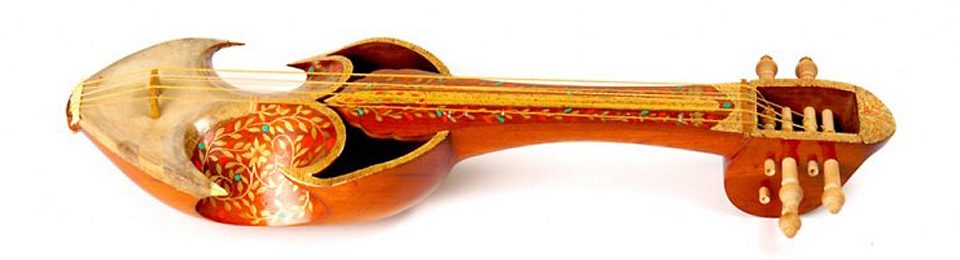
Most people in America don’t know much about the Sikh religion, so I’ll start by giving a little background information. What we now call the “Sikh religion” was founded by Guru Nanak, who lived from 1469 to 1539. He was born into a Hindu family in what is now Pakistan. Muslim invasions had begun in South Asia and there was a diverse mixture of various sects of  Hindus, yogis, Buddhists and ascetics, as well as Sunnis, Shiites and Sufis. In the feudal system of the time, Guru Nanak’s village was under the control of a Muslim landowner. As a child he learned Persian as well as Sanskrit. Guru Nanak was a precocious child who questioned authority and resisted meaningless rituals, unjust rules and ignorant superstitions. His parents held high hopes for this bright child, but as he got older they became concerned about his lack of motivation in education and business. He preferred the company of the many wandering holy men who would come through town. Eventually his parents secured for him a wife and a job and hoped he would settle down, which he did for awhile. Every morning he would rise early, bathe in the river and spend hours in meditation.  One day he didn’t come home. He had been missing for three days when he reappeared reciting “There is no Hindu, There is no Muslim.” He became recognized as a spiritual teacher and his mode of teaching was singing. Instead of preaching sermons, he sang beautiful mystical poetry, accompanied by his friend who played the rabāb, a stringed instrument. This is a song from Guru Nanak, sung by Bhai Avtar Singh Ragi:

www.sikhnet.com/gurbani/audio/gaurri-bairagan

Eventually Guru Nanak went travelling throughout the Indian subcontinent and wandered as far north as Tibet and China,  and west to Kabul, Baghdad, and Tehran. Wherever he went he sang. He wrote his poetry in a small book and also collected songs on his travels. The songs he collected were from other mystics like himself who used devotional music as the medium for spiritual experience. He collected the songs of Hindus, Sufis and yogis who in their own way had realized the unity of God, the brotherhood/sisterhood of humanity, and the virtues of reciting God’s name (regardless of which name that was). He collected the songs of like-minded holy men who also rejected religious values based on outward rituals and practices, recognizing instead that the inner journey and the transformation of mind and heart alone has value. This is a song from Bhagat Nam Dev, a Hindu mystic, sung by Bhai Avtar Singh Ragi:

www.sikhnet.com/gurbani/audio/mero-baap-maadho

When Guru Nanak grew old and was preparing to make the transition from this human life, he passed on his authority as Guru as well as his song book to his successor, who added his own songs. This happened four more times. The fifth Guru took this growing collection, added hundreds of his own songs and compiled it into one volume. The sixth, seventh, eighth and ninth Gurus did not change the book. Continuing in the tradition of Guru Nanak, the subsequent Gurus sang and hired musicians to sing the collection of songs in the darbār, the Guru’s court. The congregation would meditate or sing along. The tenth Guru added a few poems of his father, the ninth Guru, and then proclaimed that there would no longer be a human figure as the Guru. The Guru would now be the collection of songs. The book was renamed Siri Guru Granth Sāhib, which means Respected Great Guru Book.  To this day, when the Sikhs gather to worship, the book of songs presides in the darbār, while musicians lead the congregation in singing. This is the worship service. Some rituals of prayers and recitations have evolved over the years,  but most of the worship is the singing of songs from the Siri Guru Granth Sāhib.

Historically there was a tradition for how the songs would be sung. Although musical notation is not given in the book, the rāga, or musical mode, is given. India is a land rich in oral tradition and most of the ancient music was passed this way from generation to generation. I have had the privilege of learning many of the songs of the Sikh Gurus from a family who has passed the memory for thirteen generations, since the 16th century. Here is a song known to have come from the fourth Guru, Guru Ram Das, sung by Bhai Avtar Singh Ragi, the eleventh generation tradition bearer:

www.sikhnet.com/gurbani/audio/jap-man-narhare

Indian music evolved over thousands of years. Just as verbal languages evolved differently in different regions,  different musical languages evolved throughout the world. Indian music took a unique path. Just as languages reflect the world view, the unique thought processes of a culture, even in the structure, the way words are put together, the language of music also reflects a people’s beliefs and values. Indian music had two separate paths of evolution: desi sangeet, the music of the people, and mārgi sangeet, the music of the path. Desi sangeet is folk music and light classical music, music for entertainment, concerts, festivals, for life’s celebrations. Mārgi sangeet is music for worship and meditation. It evolved in the temples and the musicians were people who spent their lives in devotional practice. Music for outdoor festivals and crowds needs a certain kind of instrument, music for entertaining wealthy patrons needs another. In the more intimate setting of the temple a different kind of music and different kinds of instruments evolved. Over the centuries practitioners discovered the sounds that carry the singer and listener into the state of meditation, sounds that sustain the peace and tranquility that is found there, or sounds that adequately describe the joy of that experience to others. Combinations of notes were revealed that describe the full spectrum of emotions experienced by the devotee as they walk the path. Deep weeping for the Lord, lamenting the sorry state of the human condition, longing for a glimpse of the face of the beloved, for union with the husband Lord, feelings of awe, wonder and amazement at the greatness of the Creator Lord, sounds of praise and adulation, or sounds of humble offering, sacrifice and surrender, peaceful reflection, immersion in the presence, and sounds of joy, celebration and delight. These emotions are different from titillating songs of romantic love, flattering songs of a patron’s feats sung in a nobleman’s court, songs for dancing in the village for a harvest festival,  songs of patriotism and national pride or songs to show off the wizardry of an amazing musician. There is a reason that the mārgi sangeet and the desi sangeet maintained a certain separation.

The Sikh Gurus sang in the tradition of the mārgi sangeet. There are four legs of Sikh kirtan: raga– melody, tala– rhythm, bani– lyrics, and chit– focus and intent. The spiritual experience comes when there is a symbiosis of all of these elements and the performer and listener are immersed in the sound meditation. Here is a song sung by Bhai Avtar Singh that brings all these elements together to convey deep weeping of the heart, “He truly weeps who weeps in Lord’s love”, :

www.sikhnet.com/gurbani/audio/dhan-sirandaa-sachaa-patsaah

In the 20th century, Indian music and Sikh music began to change. As Indians moved around the world they became immersed in other cultures and shared their culture with their new neighbors. People like me who were from other cultures were inspired by the universal message of Guru Nanak and began practicing the faith. In India, a new democracy meant an end to the feudal system where the wealthy patronized the arts and with advances in technology, recorded music and radio brought more music to more people. The marketplace made the public the new patron. The Bollywood explosion set the standard for musical performance. The musical tastes of the public have been influenced by a new global media culture and this has influenced devotional music in India and for the Sikhs. Popular musicians and Bollywood used to take inspiration from the great musicians in the temples. Now the musicians in the temples are taking their inspiration from Bollywood. (There is a similar trend here in America. Gospel music used to be the inspiration for a lot of top 40 hits, now gospel music copies the top 40 hits.) With the electronic age, blaring speakers broadcast music from the temples throughout the neighborhoods. The instruments have changed from the resonance of stringed instruments to the louder, more portable harmonium, which is a small pump organ. The melodies are often borrowed from pop songs or Bollywood film music.

A renaissance is gaining momentum now and many of the younger generation have become interested in seeking out the old music. There are several websites with archive recordings and there are camps and workshops where the old music can be learned. Several western universities have added Sikh Studies departments where research and documentation on the musical traditions is taking place.  Interestingly, a lot of the enthusiasm is coming from a new generation of Americans and Europeans of Indian descent who want to know more about their heritage, while in India many young people are enamored with the west and are abandoning their own traditions for McDonalds, MTV and iTunes.

However, also in the west there are people who have not been brought up in Indian culture for whom western music is the more natural means of expression. Inspired by Indian instruments and sounds, there is some interesting fusion music emerging. For the Sikhs, there are westerners who have added yoga to the traditional Sikh practices and chanting and mantra meditation have become popular. The chant genre is a successful trend in the recording market and there are several Sikh artists who are producing new chant music based on the old songs. This is Snatam Kaur, a popular American chant artist:

www.sikhnet.com/gurbani/audio/waheguru-wahe-jio-3

In the US and Europe guitars, mandolins, and other western instruments can be found in the gurdwaras of western Sikhs and in addition to the old songs in the original language, translations are sung and some talented songwriters have composed ballads and other types of devotional music to convey Sikh history and the message of the Gurus in the local language. A well-known anthem is sung here by the composer, Livtar Singh Khalsa:

www.sikhnet.com/gurbani/audio/song-khalsa-0

The music of the Sikh Gurus survived centuries of hard times– the brutal persecution of fanatic Muslim invaders, the manipulation of British Imperial overlords and the tragedy of partition (the Sikhs were betrayed when their homeland was divided to create the new country of Pakistan, creating a cultural schism, and millions of Sikhs died when they had to flee into the new India). It is yet to be seen if the music will survive easier times, the comforts of freedom, tolerance and prosperity in this new age of democracy and globalization.

A family home usually gets remodeled to suit the needs of a new generation. Sometimes a family fails to recognize the value of the old structure and destroys valuable architectural elements in the name of modernization. Some walls are better to remove, to move past needless restrictions, expand the space, bring in the light. It’s important to know which walls are the load-bearing walls that support the integrity of the structure and protect the life within.

These questions are worth considering in a discussion of changes in the musical landscape and the impact of those changes:

How will people come to love the old music if they never hear it? Can old music compete with the airwaves?

Is the spiritual experience that was evoked by the music for the people of old available to people now? Is the music relevant to the modern listener?

How do we welcome the expression of a new generation and a global society while inspiring in them a respect for what has come before? How do we raise the next generation of listeners?

Do devotional people need to adopt popular trends to stay relevant? Should devotional music change to appeal to what people are already comfortable with or should devotional music provide a different kind of education? Do people need more of what they already have or do they need something else? Just because something is popular does it mean it is good?

What are the emotions, the intent of popular music? What is the intent of devotional music? Can the same music fulfill both intentions?

What is required for the craftmanship of devotional music? What is the state of the composer, the performer, the listener? What about the instruments and the instrument makers?

Just because something is old or traditional does that make it good? Guru Nanak challenged the status quo, are there elements of the status quo that need to be challenged now? What are the load-bearing walls that must remain?
Postcard 25: So Many Doors

03 Thursday May 2012

Posted by in Postcards from the Journey

≈ Leave a comment

Walking through this collection of shabds is like travelling the halls of a magnificent mansion. Each door opens to a new world of experience, but I can’t stay there because the tour is moving on. Each door is an introduction to a new acquaintance and any one of them could become a new best friend.

One door opens to reveal the misery of the human condition, the sorry state of attachment and delusion. The next door reveals a beautiful bride, decorated in exquisite ornaments. One door offers a glimpse of Guru Arjan Dev himself, receiving the light from his father, Guru Ram Das. Another offers a vision of demons and snakes, the peoples of the world gathered under the branches of a single tree. More doors and more images appear– a funeral procession, a dance, lovers meeting on the path. One doorway is draped with a canopy of grace and underneath Ravidass joins Nam Dev, Kabir, Trilochan, Sadhana and Sain, to cross over to the other side.

Postcard 24: Pain Medication

23 Monday Apr 2012

Posted by in Postcards from the Journey, Reflections

≈ Leave a comment

Tags

Nirvair's blog

This week I found myself in a state of sadness and anxiety, nothing seemed to be going right. I tried all the usual self-talk, positive thinking exercises, even meditation and breathwork to quiet the mind. Sometimes the mind can be very stubborn. Even singing practice seemed to become a mental engagement as I worked at making my way through the shabds in rāga dev gandhāri. Then I came upon a shabd from Guru Arjan Dev Ji.

Sometimes a shabd is a gentle prayer. In this shabd, the asthai begins with gandhār ascending to madham, tu-u, reaching out, lifting hands in supplication. “You, my mind immersed in you, without you, no other”. In the antarā the prayer becomes a call, komal dhaivat to the komal gandhār in the tār saptak, rikab, kharaj, “you are my friend and companion, why be afraid?” Pleading, convincing, perhaps my own mind needs the most convincing.

This shabd was originally in rāga āsā but someone had a vision to place these words in rāga dev gandhāri and it is a sweet prayer. The feeling of the verses evoked by the notes themselves,  words and music seem to belong together.

BBS Note: One may note Devgandhari as a derivative blend (chaya-lag) of both Asa and Asawari – both have so much to do with Devgandhari’s DNA.

In Gurbāni Sangeet there are many songs like this that have shifted the bāni into a different rāga. I have noticed that these are sometimes the more difficult ones to sing from the notation, working out the thought process of the composer along with the music. Although once the form of the composition has been worked out, it may reveal itself as spectacular! Other songs, like this one in rāga dev gandhāri, seem more immediately recognizable, a certain expectation that it would naturally move this way. The composers have gifted us with their innermost thoughts, their intimate experience with the meaning and the music, the connections they have known.

A few pages later, another shabd presented itself. Originally in rāga gond, Bhagat Nam Dev Ji describes a state I know too well, restless, lonely and unhappy like the cow without her calf, in pain like the fish without water. In dev gandhāri the composition is a lively teentāl that can cheer up even my stubborn mind. “Like the calf let loose to drink the mother’s milk, Nam Dev has found the Lord, meeting the guru he has seen the unseen.”
mohe-laagati-taala-beli

After being reminded that the answer to my discomfort was close at hand, I decided to sing something I knew well enough to let the mind loose. It was kind of a challenge, “Ok Guru Ji, you have said that by singing the praises all anxiety goes and all our affairs will be set right, please let this be true!”  The taus came out and I began to play in rāga bilāwal, a rāga of celebration. “Now break from the senses and be released, the mind gulps the essence of Har, changed by meeting the Sādhu, now no other, no other, Nānak, love is at your feet, your feet.”

After singing, the knots in my stomach disappeared. The rest of the day had a flow. People in conflict seemed to settle down a bit. I actually felt happy! So is it true? Do you need to ask?

Image

Postcard 23: Metaphors

13 Friday Apr 2012

Tags

Nirvair's blog

The first year (summer of 97) that we studied with Bhai Baldeep Singh, he used some colorful language. One day some people sitting in the class heard us singing a newly composed rag bhairo exercise, “we are bloody fools”,  and chose to take offense. For Americans the word “bloody” doesn’t carry the weight of profanity that it might for English people, so there was a group of women that chose not to take offense. Those of us that were familiar with the language of Siri Guru Granth Sahib recognized the underlying sentiment. If the Guru himself can say “I am a fool” why can’t we? Ever since then we have lovingly remembered ourselves as “The Bloody Fools”. This month on April 1st, the group met at Guru Ram Das Ashram in Los Angeles to sing at the wedding of one of our daughters. After the wedding the mother of the bride realized the Bloody Fools had met to sing on April Fools Day! The wedding was a beautiful celebration of life and love. The glowing couple, eager to begin their new lives together, was surrounded by family, friends and flowers. Because there were family members who are unfamiliar with Sikh knowledge and practices, we sang a few songs with guitar, western harmonies and bani translated into English. The wedding ceremony began with a hukam that evoked the image of the righteous bride meeting her Lord with ease and it felt like a blessing.

We, the bride’s mother and her friends, sang the wedding shabds and laavaan, accompanied by jhori and taus.

Nirinjan Kaur plays the Jori with her little Dhyana at her side.

After the wedding, the hukam  came from rag sorath, “I don’t know how to worship. I can only chant God, God, Guru, Guru. I take the name of Ram Das….. I am a fool….. but millions like me have been saved….”

The happy couple

The Sikh gurus and the other authors of Siri Guru Granth Sahib painted images of the spiritual life with words in living color. They described the practitioner, the practice, the mind, and God itself with metaphors from everyday life that would be familiar to the people. Here are some metaphors collected from Gurbani Sangeet, from songs in the first five ragas.

MYSELF, THE PRACTITIONER: expatriot, foreigner, not beautiful, intoxicated, thirsty, an insect, a worm, a girlfriend, a merchant, a fool, a child, a bride, an ox with 4 feet, 2 horns and mute mouth, torn nose, injured shoulders.

FORGETTING AND THE NATURE OF THE MIND: poison, safflower which fades, not finding water, consumed by fire, terrifying ocean, whirlpool of anxiety, 5 demons, 5 powerful fighters, 5 relatives, 5 wedding guests, 5 thieves, dream, deep dark ditch, burning, churning, idiot who strikes his own foot with an ax in his own hand, dog’s tail that never straightens, a dried wick, exhausted oil, a silent drum, a sleeping actor, a fire that has gone out, the broken string of a rabab, screen of separation, drowning in an ocean of doubt.

LIFE AND HOW WE EXPERIENCE IT: vast oceans, torrential rains, violent storms, jewel of human birth, wheel of life, like oil press, night of life, like a dog wandering door to door, playful games, we are cared for like the baby flamingoes whose mother has flown away, who feeds them?

GOD: best friend, beloved king, darling beloved, mother and father, friend of all who never breaks anyone’s heart, ambrosial nectar, treasure, garland, shelter, boat, blanket, ocean of peace.

PRACTICE AND THE RESULTS OF REMEMBERING: good deeds are the soil, shabd the seed, irrigate with truth, loading the ox with merchandise, repair what was broken, warp and woof, dyed in the vat, a songbird catching a drop of water, begging at the door, bathing, enjoying the Lord’s bed, enjoy like a wife delighted with her husband, mother with her son, camel with the vine, bee with the flower, a greedy man with wealth, washing feet with hair, rubbing the name on the mind like sandalwood on a stone, wash heart inwardly like washing an idol, playing, distilling to capture the steam of nam, playing unstruck melody on a harp, wedding, finding the hidden jewel on your forehead, the name shines, victorious warriors, like rivers and streams separated then united, blossoming after rain, rust removed, soul cleansed, carried across, bride adorned with ornaments, oil, jewels and silk clothing, the dry branch blooms.

Posted by | Filed under Postcards from the Journey, Reflections

≈ 2 Comments

Postcard 22: Oh my mind

08 Sunday Apr 2012

Posted by in Postcards from the Journey, Reflections

≈ 1 Comment

Tags

Nirvair's blog

When Guru Teg Bahadur points out our attachment to all kinds of mental entanglements and relationship dramas, do we recognize it, see our participation, or do we wonder if the Guru would even understand the realities of our lives in the modern world, what we have to “put up with”? It’s sadly ironic to consider how we think our lives are so important, complicated, busy, that we don’t have time for the simple practices the gurus taught. Weren’t their lives busy, too? Are our obstacles really more challenging than those faced by the people of their times? Their very lives were threatened, their political situation extremely unstable, money was hard to come by, work unrelenting. Yet somehow there were those who found a way to remember God, to sing and to love. What did Guru Teg Bahadur see then, what would he see now?

Most of us live in relative comfort now, without the constant life-or-death struggle for survival. Our surroundings are actually more conducive to the peaceful, spiritual life. But then, as now, the gurus saw that the problem is not the external habitat that keeps us from the state of peaceful union, but the internal one.  It might be easy to notice all the other people’s failure at being peaceful and loving, how they upset their own equilibrium, and how they upset ours. We think our own lack of peacefulness is based on an external reality that someone else is responsible for. In reality, however, we are influenced most by our own internal reality and that in turn influences our external reality far more than we realize.

Guru Teg Bahadur refers to “sin from fear”.  Guru Nanak names fearlessness as a quality of God-ness in mul mantra. Does that mean if we are feeling fear then we are not feeling God? How many of the five errors are caused by fear? Do they all originate from a fear of some imagined danger, a fear of lack, fear of discomfort, fear of losing control, fear of insignificance, fear of loss, fear of exposure, fear of isolation, fear of love?

The information coming in from the outside through our senses, gets filtered by our emotions and beliefs, and then it becomes a perception. Our perceptions are always worth exploring and cannot be assumed to be the Truth. Just like visual information coming in through the filter of dark glasses, giving us the perception that the sky is brown, doesn’t mean that the sky actually is that color. Brown is an illusion. If we remember to take off the glasses we’ll see the sky is still blue. If we examine our perceptions of reality we may find evidence of other “glasses” that we are wearing. Getting to truth means becoming dis-illusioned. Facing the fantasies takes courage.

Our emotions fill our minds with thoughts and put us in a reactive state. The stories we tell ourselves and the worlds we create in our heads may include some accurate elements, but they rarely ring with complete truthfulness. We have to remember that our perceptions are colored by our beliefs and our emotions. Just as loving, hopeful emotions can paint too rosy of a picture that blinds us to potential problems, so angry and fearful emotions can exaggerate danger and hide the truth of a situation. We idealize some people and situations and we demonize others. When we realize our idols are not as perfect as we imagined, we’re disappointed and we blame them. When we realize the ones we demonized are not entirely lacking in virtue, we may look for someone else to blame. Instead of learning from our mistakes and dwelling on solutions, blame keeps us in a dark spiral of faults, problems, and accusations. Sometimes the blaming gets turned inward and then guilt gets added to the sludge. Are these the mind games, the incorrect thinking the guru is talking about?

We react to the stories we tell ourselves instead of taking the time to discover the truth. Once we have reacted, we have to reinforce our own story to justify our actions, and we make sure other people hear it. The story takes on a life of its own and becomes a sort of “truth” if enough people believe it. (It’s human nature and the media certainly uses this strategy!) We have our minds made up and we can’t be bothered with the facts.  Controlling the emotions, slowing down in the moment, applying patience, asking questions, sorting out the truth, looking for reality, wisely choosing a response, these are the habits of effective people who can accomplish what they want to accomplish in the world. Reactive people tend to keep shooting themselves in the foot, creating dramas that distract them from their own goals, plans and intentions. Guru Nanak wrote, “winning the mind is winning the world.” Taking control of our internal stories, and managing our own responses to the world are the first steps to winning in the world.

Because we have to protect our stories, we portray ourselves in certain ways and go to great lengths to protect the character we have created. We begin to believe this character is our real identity and become quite attached. We like to be with people who believe our story. If we are around people or situations that challenge our story we will probably blame them and the results can be explosive. All the energy that goes into the care and feeding of our story keeps us self-involved, unable to really see and serve others. Even giving can take on a self-centered quality when it is motivated by a need to support the image.

We can’t know someone else’s insides based on our outsides. Assumptions are a natural product of the uncontrolled mind. We see a person or a situation and immediately the mind starts to interpret, judge, put a story together. Then we believe it, because we thought it. (Don’t believe everything you think!) The story comes from our previous experience, beliefs, and emotions. Sometimes the story gets the facts straight, sometimes it doesn’t. We begin to fill in the blanks, imagine the missing facts, assign intentions to other people’s actions, and the mind begins to believe that all of this information, which is coming from itself rather than from an actual reality, is true. The mind creates its own reality and we believe it. We make assumptions. And we all know that when we assume we make an ass out of u-and-me.

Fear is often the originator of this dark tale. Fear is a powerful emotion, worry and anxiety are somewhat lesser manifestations of it. Instead of focussing on realities of the present moment, fear creates terrifying stories about potential future outcomes. In the state of fear we are living in an imagined future and we are not in full awareness of what is real right here, right now. When we are looking through fear glasses we cannot see the good, the God, we cannot see love. We cannot perceive the helpful options available to us and we choose a reaction that feeds problems. Faith is the opposite of fear. Remembrance opens a window that reveals a universe of possibility.

There may be many things we can’t control but we can choose our responses to them. Many of us spin our wheels, seeing problems and giving them our energy. We can choose to look for what’s wrong, try to change people, try to fix the world.  Or we can choose to see possibilities, to see people like ourselves and to love them. Then we will see that the world is full of people like ourselves, conduits with a capacity to channel much good, human beings who are also susceptible to error and capable of making a big mess. When we see people instead of problems, and focus on the good that is possible, instead of dwelling on the faults, we can put our energy and support into helping things go right.

How do you cultivate the virtues of a peaceful mind: patience and curiosity to listen, see and understand what’s true; creativity to see the possibilities; receptivity to see the good people standing next to you; acceptance to love what is; generosity to share your gifts; positive will to pursue a vision; fearlessness to get real; faith in the grace of God, trust in the merciful doer and gratitude for the gifts already given to live a life of peace, love and fulfillment?

How do you manage the mind’s fascination with fantasy, wishful thinking, worry, fear, reactivity, assumptions, accusations, blame and rush to judgement? Guru Teg Bahadur suggests, “Nanak, why not sing God’s praises and get rid of this misguided way of thinking?”

Postcard 21: Food Fit for a King

29 Thursday Mar 2012

Posted by in Postcards from the Journey, Reflections

≈ 1 Comment

Tags

gurmat sangeet, Nirvair's blog

On January 1st, I resolved to cook my way through the 400+ recipes in Gurbāni Sangeet, which actually isn’t a cookbook, but a collection of songs remembered by the oral tradition for more than 400 years. If these were actually recipes, how did they turn out? At the end of the first quarter of the year, how are the results so far?

Like my attempts in the actual kitchen, some dishes have been delicious, some may have been close approximations of the original recipe and others might be appreciated by family but maybe better not served to guests. Like cooking, the process can be enjoyable, satisfying, or at times frustrating. And just as food carries with it the heart of the one who prepared it, the best songs appear when the singer’s heart is in the right place.

As I try to recreate a recipe from the printed page, I remember with admiration the ones who wrote the cookbook. Even more remarkable is the remembrance of the ones who developed the original, who had the vision to concoct this food the first time, the ones whose recipes the authors have shared in these volumes. Just like the first chef who discovered what happens when ice is added to the alchemy of milk, sugar and cream, the original kirtan-chefs discovered timeless formulas of sound.

The chefs - Bhai-s Gurcharan Singh & Avtar Singh...

Trying a new recipe from a cookbook, alone at home, is just one way to learn to cook. Watching a cooking show on TV reveals so much more, just as listening to recordings of a song can show details that cannot be written down. Learning from a teacher, direct instruction, cooking or singing alongside the master, will open the doors for the learner.

What is learned for one recipe or song can be transferred, the skills and techniques become familiar, although recognizing where to use them takes time. When you look at a recipe can you imagine how it will turn out, even if there is no photograph and even if you haven’t tasted this dish before? You can probably imagine it if you have experienced similar foods. You may be able to recognize a certain style, appreciate a new ingredient or variation.

Recognizing a masterpiece takes imagination. Cooking recipes in my kitchen, on my small stove, serving them up the best I can for a family meal is different from preparing in a professional kitchen on a large scale, delectables arranged on the best dishes, tables set with the finest linens, the trays garnished with cut fruits and flowers, served up by perfectly trained waiters in their best banquet attire.

Can you imagine the possibilities for soup? It may be a homely, thin broth served in a clay bowl, evoking memories of warmth, perhaps a grandmother’s love, or healing relief when you were sick. Soup can also be served up in style, a simple dish turned into an art form. Of course the most exquisite accessories won’t make a poorly made meal any better. But recognizing the potential of a masterpiece, you realize that the way it looks in a simple container in humble surroundings is only one possibility. Imagine the strength of the masterpiece to hold its own in the most regal setting, the elegant presentation, the delight it would give even the most discriminating palate, the way it would be remembered long after the other dishes at the feast have been forgotten.

Today’s recipe was a song of Kabir. There are two different melodies in rāga āsāvari given for the poetry. One is a slow teentāl, sixteen beats, and one is a chārtāl, twelve beats. They are both proclamations of the joy of marriage, announcing the union of the soul with the divine king himself. Both are regal and stately songs of celebration. The teental composition, like a slowly moving royal procession observing great decorum, conveys a personal meeting shared with intimate friends. The chārtāl composition has much more fanfare, sharing the power of the moment with all the invited guests as well as anyone near enough to be an onlooker. Both songs in honor of Rājā Rām, food fit for a royal banquet.

Postcard 20: Telling it like it is

22 Thursday Mar 2012

Posted by in Postcards from the Journey, Reflections

≈ 1 Comment

The collection of rāga asa shabds in Gurbāni Sangeet ends with shabads from
Guru Teg Bahadur and four partāls by Guru Arjan Dev Ji. These songs all convey a similar message: everywhere I look, I see people with their scattered minds going in so many different directions, engaged with the things that don’t really matter, sometimes things that seem important, often with trivia, but all they really need to do is remember the Name. It’s not that you have to stop doing the work in the world, engaging with family and friends, enjoying life, but when you remember the doer and manage the mind there is more clarity, less waste, more effectiveness, less illusion, more reality, less fantasy, more stability, less emotional roller coaster.

The humanity is still there. The emotional, fearful, doubting self is still there, influenced by the five constant companions, kām (desire), krodh (anger), lobh (greed), moh (attachment), ahankār (pride). One minute meditating, doing yoga, worshiping, in bliss, the next minute wandering in doubt. One minute delighted, the next minute miserable. Then there is kirpā.

How do you escape the five companions? When you remember the doer, it all becomes more manageable, the drama is no longer the only thing. Nām puts everything else in perspective.The guru’s response to find peace in the midst of the stormy realities of life is to sing the praises, sadā sat nām.

Nānak sees it like it is, tells it like it is, and decides to sing.

← Older posts
Newer posts →

Subscribe

  • Entries (RSS)
  • Comments (RSS)

Archives

  • May 2026
  • December 2025
  • May 2025
  • December 2024
  • June 2024
  • January 2024
  • November 2023
  • May 2023
  • January 2023
  • May 2022
  • December 2020
  • July 2020
  • April 2020
  • December 2019
  • January 2019
  • November 2018
  • June 2018
  • March 2017
  • December 2016
  • August 2016
  • June 2016
  • February 2016
  • October 2015
  • September 2015
  • August 2015
  • July 2015
  • June 2015
  • May 2015
  • April 2015
  • March 2015
  • November 2014
  • October 2014
  • September 2014
  • August 2014
  • June 2014
  • May 2014
  • April 2014
  • March 2014
  • February 2014
  • January 2014
  • December 2013
  • November 2013
  • October 2013
  • September 2013
  • August 2013
  • July 2013
  • June 2013
  • May 2013
  • April 2013
  • March 2013
  • February 2013
  • January 2013
  • December 2012
  • November 2012
  • October 2012
  • September 2012
  • August 2012
  • July 2012
  • June 2012
  • May 2012
  • April 2012
  • March 2012
  • February 2012
  • January 2012
  • December 2011
  • November 2011
  • October 2011

Categories

  • ANAD Discussion Forum
  • ANAD Events
  • ANAD Foundation
  • Anad Initiatives
  • ANAD Khand
  • Anad Lecture Series
  • Anad Luthiery
  • ANAD Obituaries
  • ANAD Poetry Page
  • Anad Residencies
  • Anad Scientific Advisory Committee (ASAC)
  • Enroute to a realisation
  • Guru Nanak Dev University Events
  • Humour & …
  • Lines and Colours
  • Mere Music
  • Oral History Archives
  • People
  • Photos
  • Press
  • Quotes
  • Ravneet Sangha Anecdotes
  • Reflections
    • Postcards from the Journey
  • Responses
  • Rāngli Sath
  • Sarcasm
  • Television
  • Uncategorized

Meta

  • Log in

Culture | Conservation | Continuity

Create a website or blog at WordPress.com Theme: Chateau by Ignacio Ricci.

Loading Comments...